The Road to Target Center: MSHSL Dance Team State Tournament
For high school dance teams across Minnesota, the dream culminates annually at a single, iconic venue: the Target Center in Minneapolis. This is the ultimate destination for the
MSHSL Dance Team State Tournament, a pinnacle event that celebrates precision, athleticism, and artistry. The journey to this prestigious stage is long, arduous, and paved with countless hours of practice, unwavering dedication, and fierce competition. It represents the ultimate test of a team's skill, synchronization, and spirit, transforming young dancers into seasoned competitors vying for state glory.
The Minnesota State High School League (
MSHSL) oversees a comprehensive system of interscholastic activities, and during the winter season, dance teams take center stage. These competitions are more than just performances; they are highly structured athletic events demanding the same discipline and rigor as any other varsity sport. From the earliest practices in the fall to the final electrifying routines under the bright lights of the Target Center, every step is a testament to the passion these athletes pour into their craft.
The Genesis of a Grand Tradition
While the glitz and glamour of the modern
MSHSL State Tournament may seem a recent phenomenon, the roots of competitive high school dance in Minnesota stretch back to the mid-1970s. It began with the vision and passion of dance team advisors, primarily in the vibrant Minneapolis-St. Paul metropolitan area. Recognizing the growing enthusiasm for "danceline" and other spirit activities within high schools, these pioneers started organizing informal state competitions.
These early, grassroots events were crucial. They provided a platform for teams to showcase their skills, share innovative choreography, and foster a sense of community among dancers. What started as informal gatherings slowly gained momentum, laying the essential groundwork for what would eventually become a fully sanctioned and highly anticipated interscholastic activity under the umbrella of the MSHSL. The evolution reflects not only the increasing professionalism of high school dance but also its recognition as a legitimate sport demanding incredible physical and mental prowess. The journey from humble beginnings to a celebrated state championship at a professional sports arena underscores the dedication of countless individuals who believed in the power and potential of high school dance.
Navigating the Competitive Landscape: Divisions, Classes, and the Sectional Gauntlet
The MSHSL's commitment to fair and balanced competition is evident in its structured approach to dance team events. To ensure that teams compete against schools of similar size and resources, the league divides participating high schools into three distinct classes:
- Class A: Comprising smaller schools.
- Class AA: Mid-sized schools.
- Class AAA: Larger schools, typically from metropolitan and suburban areas.
This classification system creates an equitable playing field, ensuring that talent and teamwork, rather than school enrollment figures, ultimately determine success.
Within these classes, teams compete in two primary divisions, each demanding a unique set of skills and artistic expression:
- Jazz: Characterized by fluid movements, dynamic turns, leaps, and jumps, often set to contemporary music. Routines emphasize intricate choreography, synchronization, and the individual artistry of the dancers. Teams typically consist of 5 to 26 dancers.
- High Kick: A high-energy division known for its powerful, synchronized kick lines. This division demands exceptional stamina, flexibility, and precise uniformity, with dancers executing 35-60 kicks each at or above waist height. High Kick routines can involve between 5 and 34 dancers.
Each division has strict time limits—Jazz routines range from 2:00 to 2:30 minutes, while High Kick routines are between 2:15 and 2:45 minutes—challenging choreographers to maximize impact within a tight window. To delve deeper into the specific requirements for each division, read our article:
Jazz vs. High Kick: MSHSL Dance Team Division Requirements.
The "Road to Target Center" truly begins with the section tournaments. These highly competitive regional events serve as the gateway to state. Only the top three teams from each class in both the Jazz and High Kick divisions qualify to advance. This means that every performance at sections is critical, with teams leaving everything on the basketball court-sized surface, knowing that a single misstep could mean the end of their season. The pressure is immense, but it's this crucible of competition that forges champions.
Precision, Power, and Artistry: Inside the Judging System
At the heart of MSHSL dance team competitions lies a meticulous and standardized judging system designed to ensure fairness and reward excellence. Judges, rigorously trained through organizations like the Judges Association of Minnesota (JAM), bring a wealth of experience and an acute eye for detail to every performance. They assess routines independently, using official score sheets that typically rate elements on a scale from 1 to 10.
What are they looking for? It's a complex blend of technical prowess, artistic interpretation, and flawless execution:
- Technical Execution: This includes the precision of turns, height and extension of leaps and jumps (in Jazz), and the uniformity and power of kicks (in High Kick). Judges look for clean lines, controlled movements, and strong foundational technique.
- Synchronization: The ability of all dancers to move as one, in perfect time and formation.
- Choreography: Originality, creativity, difficulty, and how well the choreography showcases the team's strengths and interprets the music. Coaches must certify that choreography is original and free from excessive similarity to external sources, promoting unique artistic expression.
- Showmanship/Performance: The energy, facial expressions, and overall stage presence that engage the audience and convey the emotion of the routine.
- Formations and Transitions: The smoothness and effectiveness of changes in stage positioning, adding visual interest and complexity.
Beyond these artistic and technical elements, adherence to strict rules is paramount. Routines must comply with safety guidelines that prohibit dangerous maneuvers such as lifts above the waist, uncontrolled drops, or stunts. Uniforms must meet modesty and opacity standards, and performances occur without props or barefoot dancing, keeping the focus squarely on the team's collective skill. Penalties are enforced for infractions ranging from insufficient or excessive kicks, falls, or dangerous moves, ensuring a fair and safe competitive environment. To understand the intricacies of scoring and the specific penalties, we recommend reading:
MSHSL Dance Team Judging: Rules, Scoring, and Penalties. Kick counters and timers are present to verify technical elements and time limits, while meet referees oversee rule enforcement, highlighting the athletic rigor of the competition.
The Target Center Experience: A Dream Realized
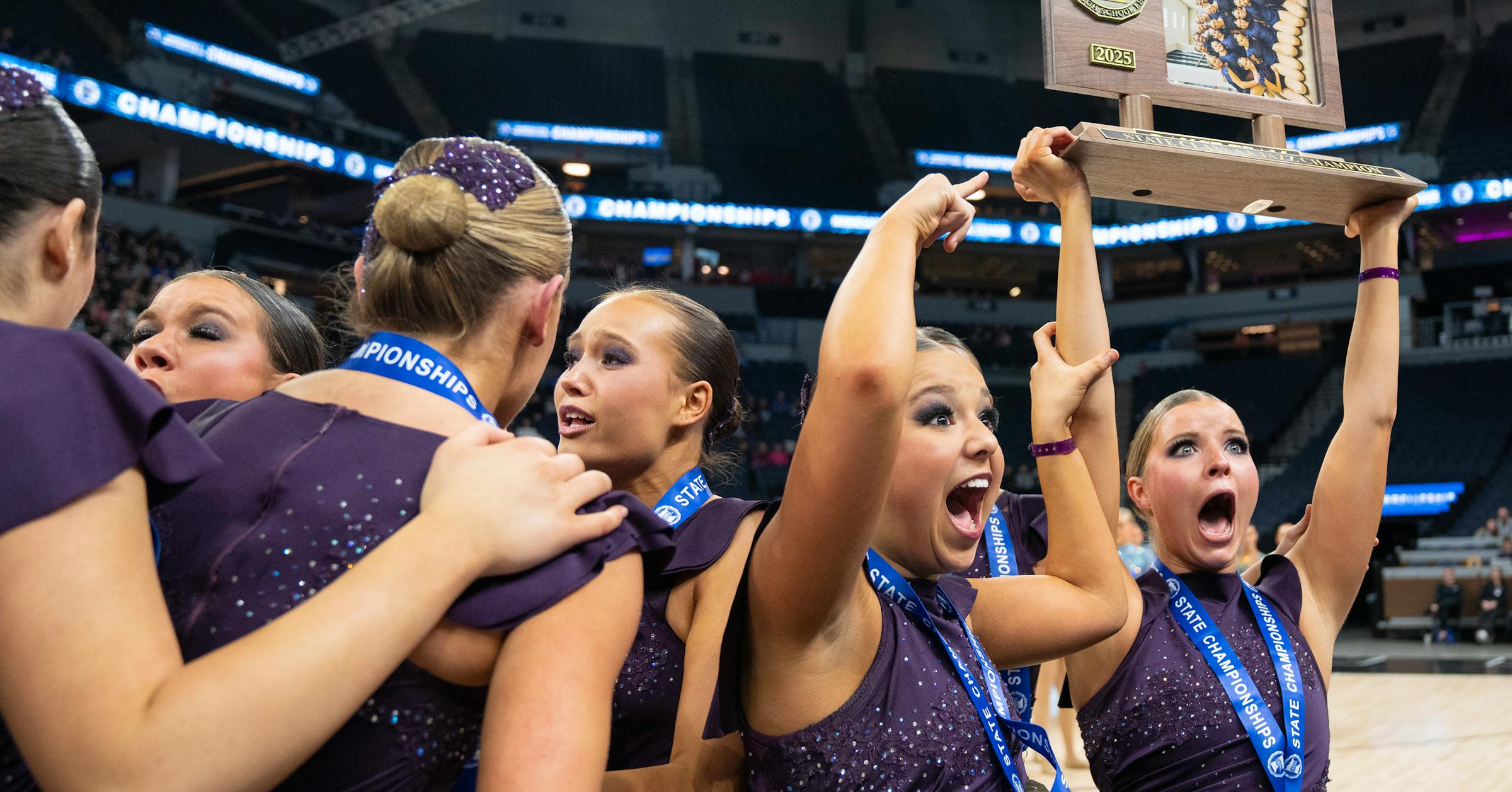
When teams finally step onto the floor of the Target Center, they aren't just performing; they are realizing a dream forged through months of sweat, sacrifice, and unwavering commitment. The atmosphere is electric – packed stands filled with cheering fans, proud parents, and fervent school communities create an unforgettable backdrop. For many dancers, it’s the biggest stage they will ever grace, transforming a high school competition into a truly professional experience.
The Target Center offers a grand scale that magnifies every movement and amplifies every beat of the music. Performing in such an arena demands a different level of presence and mental fortitude. Dancers must channel their nerves into powerful performances, executing their routines with the same precision and passion they've honed in countless practices.
The MSHSL Dance Team State Tournament culminates in the finals, where the top teams in each class and division battle for the coveted state championship title. The roar of the crowd when a team is announced, the emotional embrace of teammates, and the sheer joy of achieving their ultimate goal are moments etched forever in the memories of these young athletes. Beyond the champions, all-tournament teams are recognized, celebrating individual excellence within the collective effort.
Reaching the Target Center isn't just about winning a medal; it's about the journey itself. It's about the bonds forged with teammates, the resilience built through adversity, and the invaluable lessons learned about discipline, sportsmanship, and the pursuit of excellence. It's a testament to the fact that high school dance is a demanding sport that cultivates not only incredible athletic talent but also profound character and lifelong memories.
The MSHSL Dance Team State Tournament at the Target Center is more than just a competition; it's a celebration of Minnesota's vibrant high school dance community, showcasing the highest level of talent, teamwork, and artistic expression. It's a fitting culmination for a season's worth of dedication, and a truly unforgettable experience for every athlete who steps onto that hallowed floor.